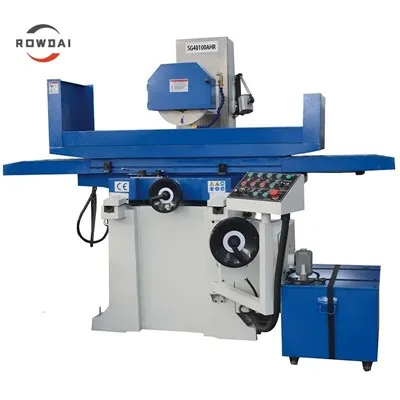
Hey there! As a supplier of compound grinding machines, I often get asked about the cutting speed of these nifty pieces of equipment. So, let's dive right in and break down what the cutting speed of a compound grinding machine actually is.
First off, the cutting speed, in simple terms, is how fast the grinding wheel moves across the workpiece. It's measured in surface feet per minute (SFM) or meters per second (m/s). This speed is super important because it can have a huge impact on the quality of the finish, the tool life, and the overall efficiency of the grinding process.
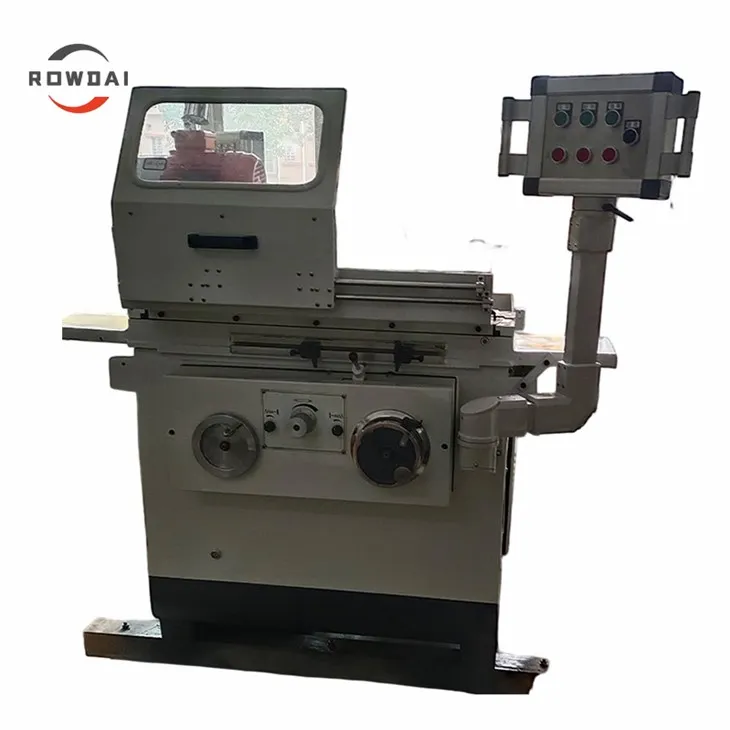
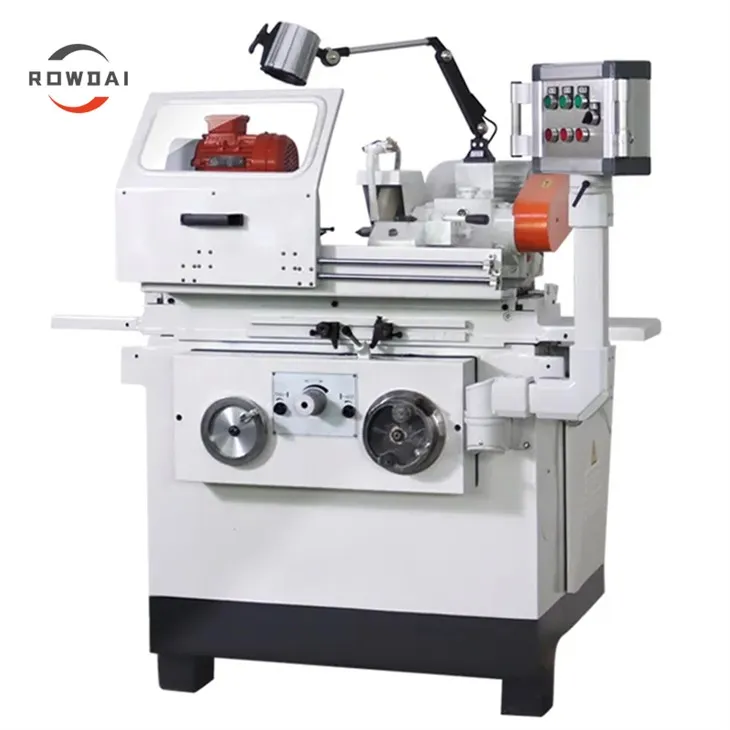
When we talk about a compound grinding machine, it's a bit different from a regular grinder. A compound grinding machine can perform multiple operations like internal and external grinding, which makes it a versatile piece of kit. You can check out more about Internal and External Grinding Machine on our website.
Now, the cutting speed of a compound grinding machine depends on a few key factors. The type of material you're grinding is a biggie. Different materials have different hardness levels, and this affects how fast you can safely grind them. For example, if you're grinding a soft material like aluminum, you can usually go at a higher cutting speed compared to a hard material like stainless steel.
The size and type of the grinding wheel also play a crucial role. A larger wheel might need a different cutting speed than a smaller one. And the abrasive material of the wheel matters too. Some abrasives are better suited for high - speed grinding, while others work better at lower speeds.
Let's take a closer look at how these factors interact. If you set the cutting speed too high for a particular material, you might end up with a poor surface finish. The heat generated from the high - speed grinding can cause the material to warp or even crack. On the other hand, if the cutting speed is too low, the grinding process can take forever, and you won't be making the most of your machine's capabilities.
So, how do you determine the right cutting speed? Well, it's a bit of a balancing act. You can start by referring to the manufacturer's recommendations. Most grinding wheel manufacturers provide guidelines on the optimal cutting speeds for different materials and wheel types. These guidelines are based on years of research and testing, so they're a great place to start.
Another thing you can do is conduct some trial runs. Start with a conservative cutting speed and gradually increase it while monitoring the surface finish and the performance of the machine. If you notice any signs of overheating, poor finish, or excessive wear on the wheel, you might need to dial back the speed.
In the world of compound grinding, there are also some advanced techniques that can help you optimize the cutting speed. For example, using coolant can help dissipate the heat generated during grinding. This allows you to increase the cutting speed without worrying as much about overheating the material. Coolant also helps to flush away the chips and debris, which can improve the surface finish.
Let's talk about the benefits of getting the cutting speed right. When you have the optimal cutting speed, you can achieve a high - quality surface finish. This is crucial, especially if you're working on precision parts. A smooth finish not only looks good but also improves the functionality of the part.
You'll also extend the life of your grinding wheel. When the cutting speed is appropriate, the wheel wears more evenly, which means you won't have to replace it as often. This can save you a significant amount of money in the long run.
And of course, efficiency is key. With the right cutting speed, you can complete your grinding tasks faster, which means you can take on more projects and increase your productivity.
Now, I know all this talk about cutting speeds can seem a bit overwhelming, but don't worry. Our team of experts is here to help you every step of the way. Whether you're a seasoned pro or just starting out in the world of grinding, we can provide you with the guidance and support you need to get the most out of your compound grinding machine.
If you're interested in purchasing a compound grinding machine or have any questions about cutting speeds or other aspects of grinding, don't hesitate to reach out. We're always happy to have a chat and discuss how our machines can meet your specific needs.
In conclusion, the cutting speed of a compound grinding machine is a critical factor that can make or break your grinding operations. By understanding the factors that affect cutting speed and taking the time to optimize it, you can achieve better results, save money, and increase your productivity. So, if you're in the market for a compound grinding machine or looking to improve your existing setup, give us a shout. We're here to help you make the most of your grinding experience.
References:
- Grinding Technology: Theory and Applications of Machining with Abrasives by Stephen Malkin
- Handbook of Machining with Grinding Wheels by Ian S. Jawahir