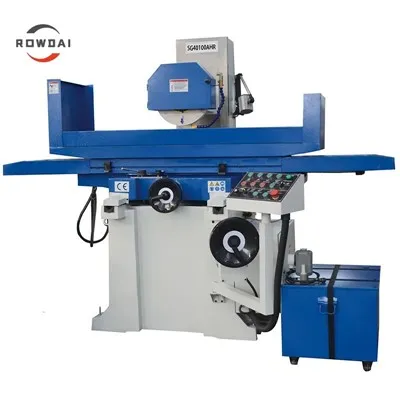
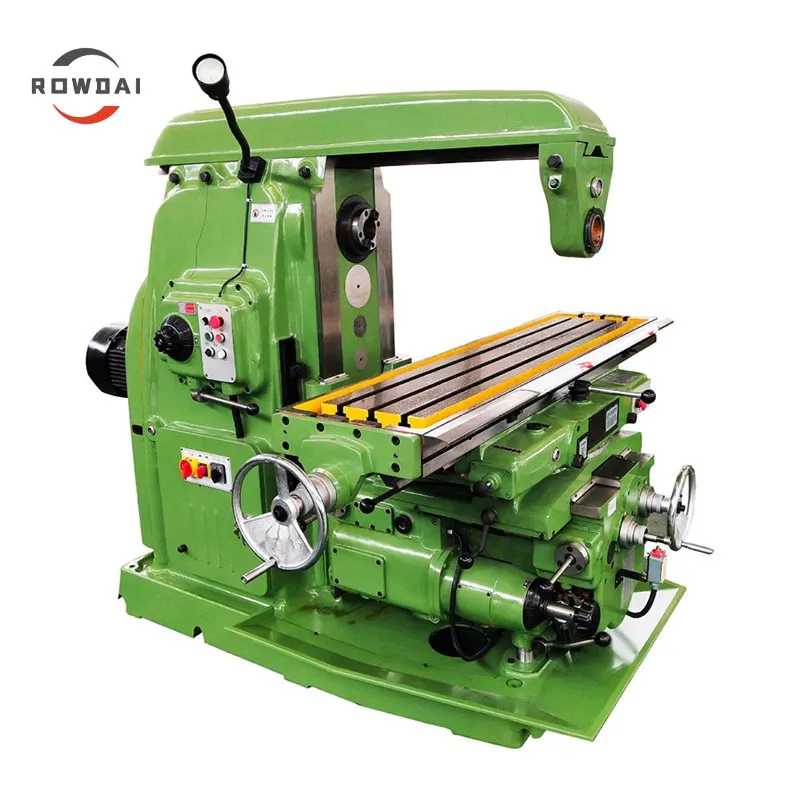
Hey there! As a supplier of conventional milling machines, I've seen firsthand how crucial it is to understand the environmental requirements for using these machines. In this blog, I'll share some insights on what you need to consider when it comes to the environment in which you operate a conventional milling machine.
Temperature and Humidity
One of the most important environmental factors to consider is temperature and humidity. Conventional milling machines are sensitive to extreme temperatures and humidity levels. High temperatures can cause the machine's components to expand, leading to inaccurate cuts and potential damage to the machine. On the other hand, low temperatures can make the machine's lubricants thicken, which can also affect its performance.
Ideally, the temperature in the area where you operate the milling machine should be between 60°F and 80°F (15°C and 27°C). The humidity level should be kept between 40% and 60%. You can use a thermometer and a hygrometer to monitor these conditions regularly. If the temperature or humidity levels are outside the recommended range, you may need to use a heater, air conditioner, or dehumidifier to adjust the environment.
Dust and Debris
Milling machines generate a lot of dust and debris during operation. This dust can contain metal particles, wood chips, and other materials that can be harmful to your health if inhaled. It can also cause damage to the machine's components, such as the bearings and gears.
To minimize the amount of dust and debris in the air, you should use a dust collection system. This system will capture the dust and debris as it is generated, preventing it from spreading throughout the workspace. You should also clean the machine regularly to remove any dust or debris that has accumulated on its surfaces.
Ventilation
Proper ventilation is essential when using a conventional milling machine. The machine generates fumes and vapors during operation, which can be harmful to your health if inhaled. These fumes can contain chemicals such as coolant, lubricants, and cutting fluids.
To ensure proper ventilation, you should have a ventilation system installed in your workspace. This system should be designed to remove the fumes and vapors from the air and exhaust them outside. You should also open windows and doors to allow fresh air to circulate in the workspace.
Lighting
Good lighting is important when using a conventional milling machine. You need to be able to see the workpiece clearly to make accurate cuts. Poor lighting can cause eye strain and make it difficult to see the details of the workpiece.
You should have adequate lighting in your workspace, especially around the milling machine. You can use overhead lights, task lights, or a combination of both. Make sure the lights are positioned so that they do not create shadows on the workpiece.
Noise
Milling machines can be very noisy during operation. The noise can be a distraction and can also cause hearing damage if you are exposed to it for long periods of time.
To reduce the noise level, you can use noise-reducing materials such as acoustic panels or earplugs. You can also position the milling machine in a soundproof room or area to minimize the noise.
Floor and Foundation
The floor and foundation on which the milling machine is placed are also important. The machine needs to be placed on a stable and level surface to ensure accurate cuts. If the floor is uneven or unstable, the machine may vibrate during operation, which can affect the quality of the cuts.
You should make sure the floor is strong enough to support the weight of the machine. You may need to reinforce the floor or use a special foundation to ensure the machine is stable.
Electrical Requirements
Conventional milling machines require a lot of electrical power to operate. You need to make sure you have a reliable electrical supply that can handle the machine's power requirements. You should also have a proper grounding system in place to prevent electrical shocks.
Before you install the milling machine, you should consult with an electrician to make sure your electrical system can handle the machine's power requirements. You should also make sure the electrical cords and plugs are in good condition and are properly connected.
Safety Precautions
Finally, it's important to take safety precautions when using a conventional milling machine. You should always wear appropriate safety gear, such as safety glasses, earplugs, and gloves. You should also follow the manufacturer's instructions and safety guidelines when operating the machine.
You should never operate the machine if you are tired, distracted, or under the influence of drugs or alcohol. You should also make sure the machine is properly maintained and inspected regularly to prevent accidents.
In conclusion, understanding the environmental requirements for using a conventional milling machine is essential for ensuring its proper operation and longevity. By considering factors such as temperature, humidity, dust, ventilation, lighting, noise, floor and foundation, electrical requirements, and safety precautions, you can create a safe and productive workspace for using your milling machine.
If you're in the market for a conventional milling machine, we offer a wide range of high-quality machines, including the Large Horizontal Milling Machine. Our machines are designed to meet the needs of various industries and applications. If you have any questions or would like to discuss your specific requirements, feel free to reach out to us for a purchase consultation.
References
- Manufacturer's manuals for conventional milling machines
- Occupational Safety and Health Administration (OSHA) guidelines for industrial machinery
- Industry standards for environmental conditions in manufacturing facilities