Vertical Machining Centers Technical Knowledge
A machining center is a precision machine tool primarily used to process parts with complex shapes, employing operations such as milling, drilling, boring, tapping, and turning.
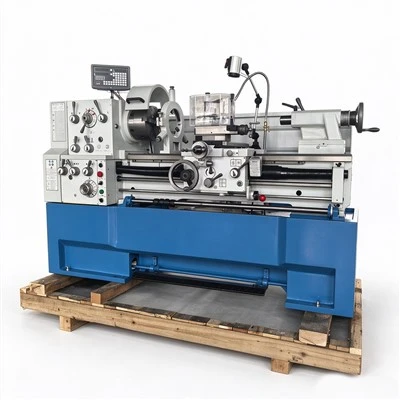
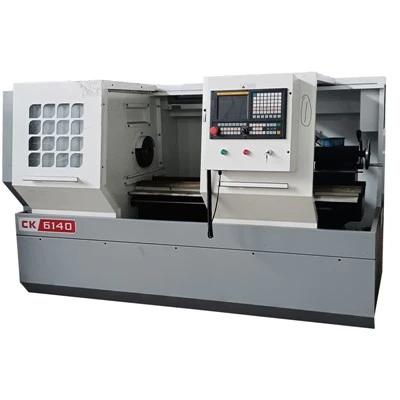
A machining center is a CNC machine tool designed for processing various metallic and non-metallic materials. They can be classified by function-such as milling machines, lathes, and drilling machines-or by structure, with common types including vertical, horizontal, turning center, and gantry configurations.
Characteristics of Machining Centers
1. High Precision: Machining centers possess high-precision machining capabilities, enabling the production of parts with high dimensional accuracy and smooth surface finishes.
2. High Efficiency: Machining centers employ efficient processing methods-such as automatic tool changing and rapid feed rates-resulting in fast processing speeds and high productivity.
3. Flexibility: Machining centers can handle a wide range of machining operations and requirements, demonstrating strong adaptability and flexibility. They also support simultaneous multi-axis, multi-tool, and multi-workpiece machining.
4. Automation: Machining centers utilize CNC technology, offering a high degree of automation and making operation more convenient.
Key Components of a Machining Center
1. Spindle and Tool Magazine: The spindle holds the tool holder and cutting tool, driving the tool's rotation to perform machining operations. The tool magazine stores various types of tools; an automatic tool changer selects the appropriate tool based on the machining program's requirements.
2. Worktable and Guideways: The worktable secures the workpiece. Driven by a transmission system comprising guideways, ball screws, and servo motors, the worktable can move in various directions and achieve precise positioning.
3. CNC System: The CNC system is the core component of the machining center. It controls the various movements and parameters during the machining process-such as workpiece coordinates, feed rates, cutting speeds, tool paths, and tool selection-to ensure machining accuracy and efficiency.
4. Automatic Lubrication System: The machining center utilizes an automatic lubrication system for lubrication and cooling. This ensures that critical components, such as the spindle and guideways, remain properly lubricated and cooled during operation, thereby extending the machine's service life.
Machining Processes for Machining Centers
1. Milling: Milling is a primary machining process for machining centers; it involves using a rotating cutting tool to cut the workpiece, enabling the production of parts with complex shapes.
2. Drilling: Drilling is a common machining method for machining centers; the spindle drives a drill bit to create holes at specific locations on the workpiece surface.
3. Turning: Turning is a machining process in which the spindle rotates the workpiece while a cutting tool performs the cutting operation.
4. Tapping: Tapping is a process that forms threads by rotating a cutting tool into the workpiece.
5. Combined Machining: Machining centers can also employ a combination of various processes to achieve more complex and efficient machining operations.