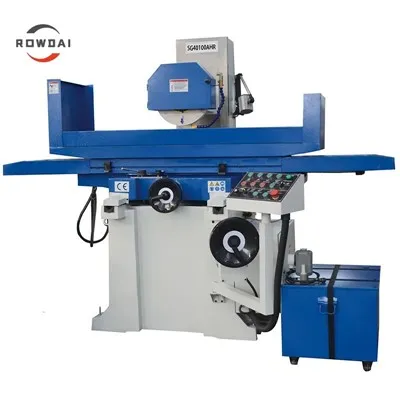
Coolant plays a crucial role in lathe machining, offering a multitude of benefits that enhance the efficiency, quality, and longevity of the machining process. As a leading lathe supplier, we understand the significance of using coolant effectively. In this blog, we will explore how to use coolant in lathe machining, covering everything from its functions to best practices.
The Functions of Coolant in Lathe Machining
Cooling
One of the primary functions of coolant is to dissipate heat generated during the machining process. When the cutting tool comes into contact with the workpiece, friction is created, which generates a significant amount of heat. High temperatures can cause the cutting tool to wear out quickly, reduce the quality of the machined surface, and even lead to thermal deformation of the workpiece. Coolant helps to lower the temperature by carrying away the heat from the cutting zone, ensuring that the cutting tool and the workpiece remain within an optimal temperature range.
Lubrication
Coolant also acts as a lubricant between the cutting tool and the workpiece. By reducing friction, it minimizes wear on the cutting tool, extends its lifespan, and improves the surface finish of the machined part. A well-lubricated cutting process results in smoother chip formation, reducing the likelihood of chip welding and built-up edge, which can negatively affect the quality of the machined surface.
Chip Removal
Effective chip removal is essential in lathe machining to prevent chips from interfering with the cutting process. Coolant helps to flush away chips from the cutting zone, keeping the cutting area clean and reducing the risk of chip recutting. This not only improves the quality of the machined surface but also protects the cutting tool from damage caused by chips.
Corrosion Protection
Coolant can protect the workpiece and the lathe machine from corrosion. Many coolants contain additives that form a protective film on the metal surfaces, preventing rust and corrosion. This is particularly important when machining materials that are prone to corrosion, such as steel and aluminum.
Types of Coolants
There are several types of coolants available for lathe machining, each with its own characteristics and applications. The most common types include:
Water-Based Coolants
Water-based coolants are the most widely used type of coolant in lathe machining. They are composed of water and various additives, such as emulsifiers, lubricants, and corrosion inhibitors. Water-based coolants offer excellent cooling and chip removal properties, as well as good lubrication and corrosion protection. They are also relatively inexpensive and environmentally friendly.
Oil-Based Coolants
Oil-based coolants are made from mineral oils or synthetic oils and are known for their superior lubrication properties. They are particularly suitable for machining materials that require high levels of lubrication, such as stainless steel and titanium. Oil-based coolants provide excellent protection against wear and tear, but they are more expensive than water-based coolants and may pose environmental concerns.
Synthetic Coolants
Synthetic coolants are formulated from synthetic chemicals and offer a combination of excellent cooling, lubrication, and corrosion protection properties. They are often used in high-precision machining applications where a clean and efficient cutting process is required. Synthetic coolants are also known for their long service life and low maintenance requirements.
Selecting the Right Coolant
Selecting the right coolant for your lathe machining application is crucial to ensure optimal performance and quality. Here are some factors to consider when choosing a coolant:
Workpiece Material
The type of workpiece material being machined is an important consideration when selecting a coolant. Different materials have different machining requirements, and the coolant should be selected to match the specific needs of the material. For example, materials such as aluminum and brass require a coolant with good lubrication properties, while materials such as steel and stainless steel may require a coolant with excellent cooling and corrosion protection.
Cutting Conditions
The cutting conditions, such as cutting speed, feed rate, and depth of cut, also play a role in selecting the right coolant. Higher cutting speeds and feed rates generate more heat, requiring a coolant with better cooling properties. Similarly, deeper cuts may require a coolant with better lubrication to reduce friction and wear on the cutting tool.
Machining Operation
The type of machining operation being performed, such as turning, milling, or drilling, can also influence the choice of coolant. Different operations have different requirements in terms of cooling, lubrication, and chip removal, and the coolant should be selected accordingly.
Environmental Considerations
Environmental regulations and requirements should also be taken into account when selecting a coolant. Water-based coolants are generally more environmentally friendly than oil-based coolants, as they are biodegradable and have a lower impact on the environment. However, some water-based coolants may contain additives that can be harmful to the environment, so it is important to choose a coolant that meets the relevant environmental standards.
Using Coolant in Lathe Machining
Once you have selected the right coolant for your lathe machining application, it is important to use it correctly to ensure optimal performance and quality. Here are some best practices for using coolant in lathe machining:
Proper Mixing
If you are using a water-based coolant, it is important to mix it properly according to the manufacturer's instructions. Incorrect mixing can result in poor performance and may even damage the lathe machine or the workpiece. Make sure to use clean water and follow the recommended mixing ratio to ensure that the coolant provides the desired cooling, lubrication, and corrosion protection properties.
Adequate Flow Rate
The coolant should be supplied to the cutting zone at an adequate flow rate to ensure effective cooling and chip removal. The flow rate will depend on the type of machining operation, the cutting conditions, and the size of the cutting tool. It is important to monitor the flow rate and adjust it as needed to ensure that the coolant is reaching the cutting zone effectively.
Proper Application
The coolant should be applied directly to the cutting zone to ensure maximum effectiveness. This can be achieved using a variety of methods, such as flood cooling, mist cooling, or through-tool cooling. Flood cooling is the most common method, where the coolant is sprayed directly onto the cutting zone using a nozzle. Mist cooling involves spraying a fine mist of coolant onto the cutting zone, which can be more effective in some applications. Through-tool cooling involves supplying the coolant through the cutting tool itself, which can provide better cooling and lubrication at the cutting edge.
Regular Maintenance
Regular maintenance of the coolant system is essential to ensure its proper functioning. This includes checking the coolant level, monitoring the coolant concentration, and changing the coolant at regular intervals. It is also important to clean the coolant tank and the coolant lines to prevent the buildup of debris and contaminants, which can affect the performance of the coolant and the lathe machine.
Conclusion
Using coolant effectively in lathe machining is essential to ensure optimal performance, quality, and longevity of the machining process. By understanding the functions of coolant, selecting the right coolant for your application, and following best practices for using coolant, you can improve the efficiency and productivity of your lathe machining operations.
As a leading lathe supplier, we offer a wide range of lathes, including Small Vertical Lathe, Large CNC Turning, and CNC Precision Automatic Lathe. We also provide expert advice and support on coolant selection and usage to help you achieve the best results in your lathe machining applications.


If you are interested in learning more about our lathes or have any questions about using coolant in lathe machining, please contact us to discuss your specific requirements. We look forward to working with you to enhance your machining operations.
References
- ASM Handbook, Volume 16: Machining, ASM International
- Machining Fundamentals, Society of Manufacturing Engineers
- Coolant Technology Handbook, Chemical Co.