Adjusting the feed rate of a milling machine is a critical aspect of achieving optimal machining results. As a trusted milling machine supplier, we understand the importance of this process and are here to guide you through it. In this blog, we will explore the factors that influence feed rate, how to calculate it, and practical tips for making adjustments.
Factors Influencing Feed Rate
Several factors come into play when determining the appropriate feed rate for a milling operation. Understanding these factors is essential for achieving accurate and efficient machining.
Material Properties
The type of material being machined is one of the most significant factors affecting feed rate. Different materials have varying hardness, toughness, and machinability. For example, soft materials like aluminum can typically be machined at higher feed rates compared to harder materials such as steel or titanium. When machining aluminum, you can often use a feed rate of 0.010 - 0.020 inches per tooth (IPT), while for steel, a feed rate of 0.002 - 0.005 IPT may be more appropriate.
Tool Geometry
The geometry of the milling tool also plays a crucial role in determining the feed rate. Tools with larger diameters, more cutting edges, and specialized geometries can handle higher feed rates. For instance, a face mill with multiple inserts can generally be fed at a faster rate than an end mill with a single cutting edge. Additionally, the rake angle, clearance angle, and helix angle of the tool can affect chip formation and removal, which in turn impacts the feed rate.
Machine Capabilities
The capabilities of the milling machine itself, such as its power, torque, and spindle speed, limit the feed rate that can be used. A machine with a more powerful spindle and higher torque can handle higher feed rates without stalling. It's important to consult the machine's manual to determine its maximum feed rate and ensure that you do not exceed its capabilities.
Cutting Conditions
The cutting conditions, including the depth of cut, width of cut, and coolant usage, also influence the feed rate. A larger depth of cut or width of cut generally requires a lower feed rate to prevent excessive tool wear and maintain surface finish. Using coolant can help reduce heat and improve chip evacuation, allowing for higher feed rates.
Calculating Feed Rate
To calculate the feed rate for a milling operation, you need to consider the number of teeth on the milling tool, the feed per tooth (FPT), and the spindle speed. The formula for calculating feed rate (FR) is:
FR = FPT x Z x N
Where:
- FR is the feed rate in inches per minute (IPM)
- FPT is the feed per tooth in inches
- Z is the number of teeth on the milling tool
- N is the spindle speed in revolutions per minute (RPM)
For example, if you are using a 4 - tooth end mill with a feed per tooth of 0.005 inches and a spindle speed of 1000 RPM, the feed rate would be:
FR = 0.005 x 4 x 1000 = 20 IPM
Practical Tips for Adjusting Feed Rate
Start with Conservative Settings
When starting a new milling operation, it's always a good idea to start with conservative feed rate settings. This allows you to observe the cutting process and make adjustments as needed. You can gradually increase the feed rate if the tool is performing well and the surface finish is acceptable.
Monitor Tool Wear
Regularly monitor the wear of the milling tool. Excessive tool wear can lead to poor surface finish, increased cutting forces, and reduced tool life. If you notice signs of tool wear, such as chipping or dulling, it may be necessary to reduce the feed rate or replace the tool.
Consider the Workpiece and Tool Rigidity
The rigidity of the workpiece and the toolholder can also affect the feed rate. A rigid setup allows for higher feed rates without causing vibration or chatter. Make sure the workpiece is securely clamped and the toolholder is properly tightened to minimize deflection.
Use Feed Rate Optimization Software
Many modern milling machines are equipped with feed rate optimization software. This software can analyze the cutting conditions and automatically adjust the feed rate to achieve the best results. It takes into account factors such as tool wear, material properties, and machine capabilities to optimize the feed rate in real - time.
Our Milling Machine Offerings
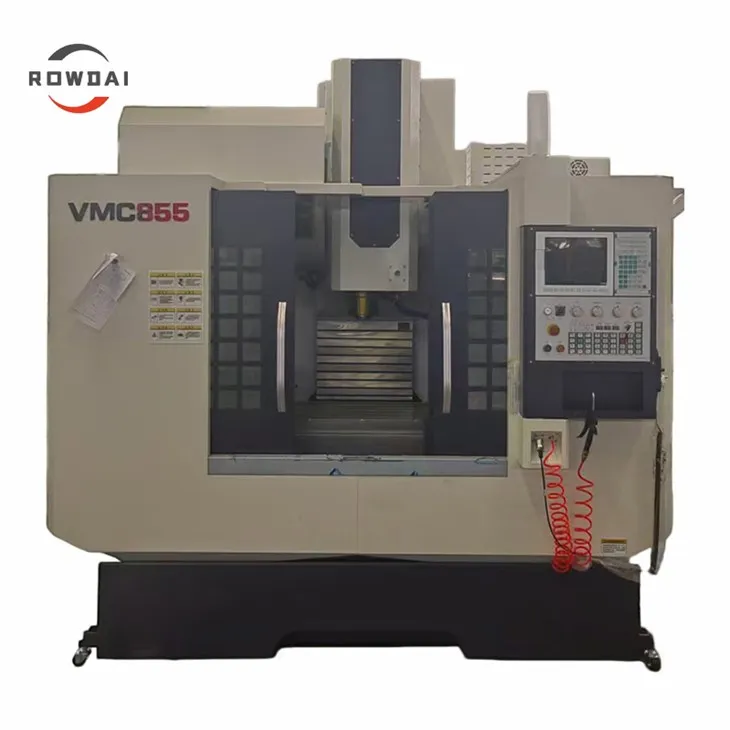
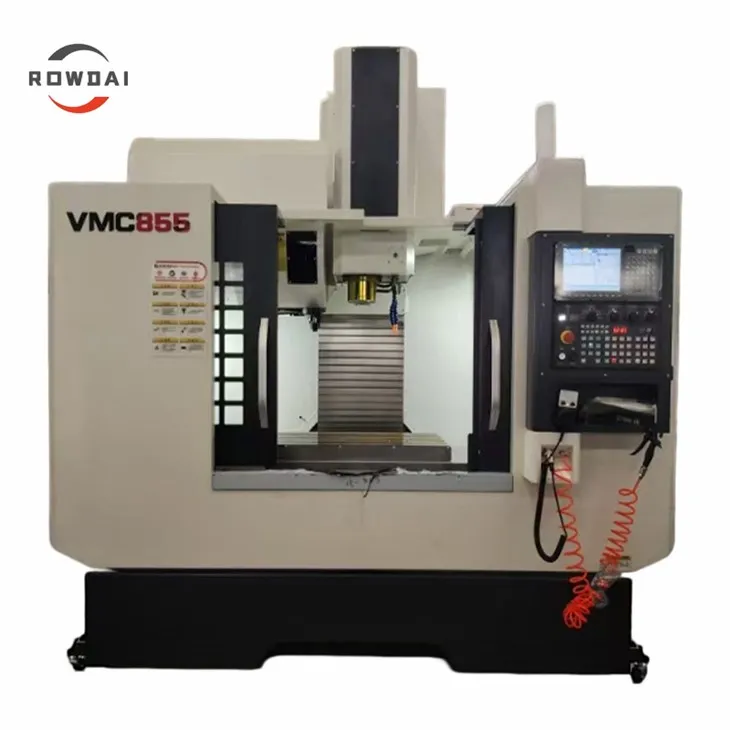
As a leading milling machine supplier, we offer a wide range of high - quality milling machines to meet your specific needs. Our product lineup includes Gantry Type Machining Center, Vertical Milling Center Machine, and CNC Horizontal Machining Center. These machines are designed to provide precision, reliability, and efficiency in various machining applications.
Conclusion
Adjusting the feed rate of a milling machine is a complex but essential process that requires careful consideration of multiple factors. By understanding the material properties, tool geometry, machine capabilities, and cutting conditions, you can calculate the appropriate feed rate and make adjustments to achieve optimal machining results. If you have any questions or need further assistance with adjusting the feed rate of your milling machine, or if you are interested in purchasing one of our high - quality milling machines, please feel free to contact us. We are here to help you make the most of your machining operations.
References
- Machinery's Handbook, 31st Edition
- Tooling and Machining Handbook by Kennametal
- Milling Machine Operation Manuals from various manufacturers