In the world of manufacturing and machining, the horizontal boring mill machine stands as a cornerstone of precision and efficiency. As a supplier of Horizontal Boring Mill Machines, I've had the privilege of witnessing firsthand the remarkable capabilities and the intricate details that make these machines indispensable in various industries. One of the most frequently asked questions by our clients is about the maximum boring depth of a horizontal boring mill machine. In this blog, we'll explore this topic in depth, providing you with a comprehensive understanding of what determines the maximum boring depth and how it impacts your machining operations.
Understanding the Horizontal Boring Mill Machine
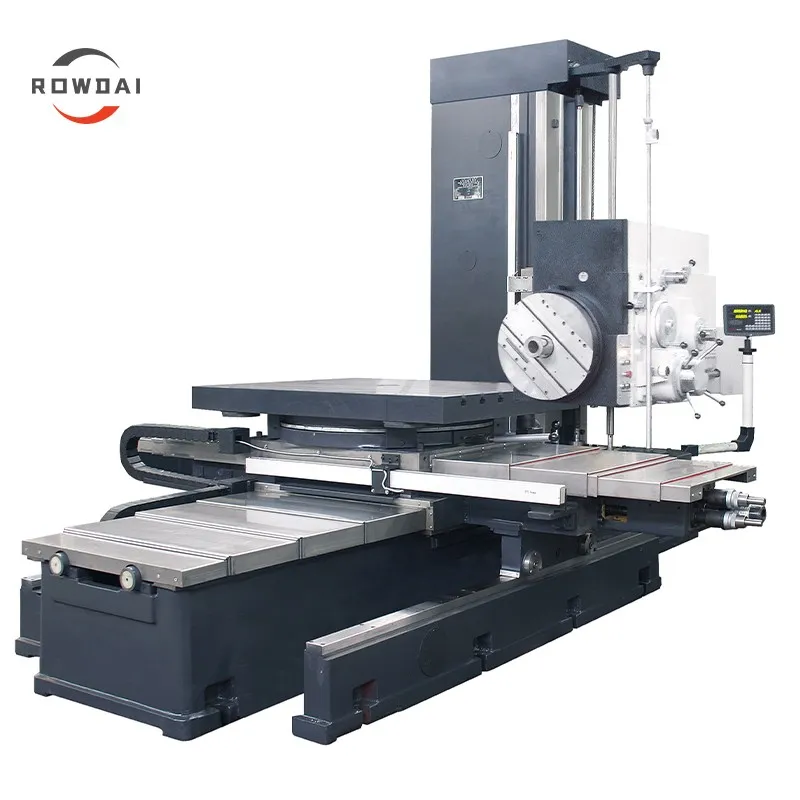
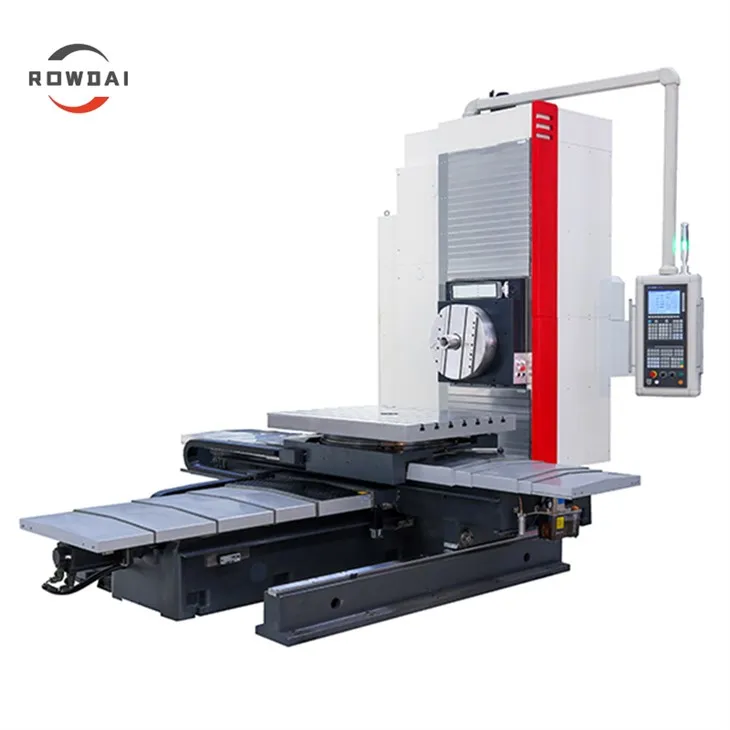
Before delving into the maximum boring depth, it's essential to understand the basic functionality of a horizontal boring mill machine. A horizontal boring mill is a large and versatile machine tool used for boring, drilling, milling, and tapping operations on large workpieces. Unlike vertical milling machines, the spindle of a horizontal boring mill is oriented horizontally, allowing for the machining of large, heavy parts with high precision.
The Horizontal Boring and Milling Machine is designed to handle a wide range of materials, including metals, plastics, and composites. It consists of a bed, a column, a spindle, and a worktable. The spindle is the heart of the machine, responsible for rotating the cutting tool and applying the necessary force to remove material from the workpiece. The worktable provides a stable platform for the workpiece, allowing for precise positioning and movement during the machining process.
Factors Affecting the Maximum Boring Depth
The maximum boring depth of a horizontal boring mill machine is determined by several factors, including the machine's design, the type of cutting tool used, the material being machined, and the machining parameters. Let's take a closer look at each of these factors:
Machine Design
The design of the horizontal boring mill machine plays a crucial role in determining its maximum boring depth. Machines with longer spindles and larger columns can typically achieve greater boring depths. Additionally, the rigidity of the machine's structure is essential for maintaining accuracy and stability during deep boring operations. A well-designed machine with a robust structure can withstand the forces generated during deep boring, ensuring consistent and precise results.
Cutting Tool
The type of cutting tool used also has a significant impact on the maximum boring depth. Different cutting tools are designed for specific applications and materials. For deep boring operations, long-reach boring bars are commonly used. These bars are designed to extend into the workpiece, allowing for deep holes to be machined. The length and diameter of the boring bar, as well as the cutting edge geometry, can affect the maximum boring depth and the quality of the machined hole.
Material Being Machined
The material being machined is another important factor to consider when determining the maximum boring depth. Different materials have different properties, such as hardness, toughness, and machinability. Harder materials, such as stainless steel and titanium, require more cutting force and may limit the maximum boring depth. Softer materials, such as aluminum and brass, are generally easier to machine and may allow for greater boring depths.
Machining Parameters
The machining parameters, including the cutting speed, feed rate, and depth of cut, also play a role in determining the maximum boring depth. These parameters need to be carefully selected based on the material being machined, the cutting tool used, and the machine's capabilities. Incorrect machining parameters can lead to poor surface finish, tool wear, and reduced boring depth.
Typical Maximum Boring Depths
The maximum boring depth of a horizontal boring mill machine can vary widely depending on the machine's size, design, and capabilities. Smaller horizontal boring mills may have a maximum boring depth of a few inches, while larger machines can achieve boring depths of several feet.
In general, most horizontal boring mills can achieve a maximum boring depth of between 12 and 36 inches. However, some high-end machines are capable of boring depths of up to 60 inches or more. It's important to note that these are just general guidelines, and the actual maximum boring depth may vary depending on the specific machine and the machining conditions.
Importance of Maximum Boring Depth in Machining Operations
The maximum boring depth of a horizontal boring mill machine is an important consideration for many machining operations. In industries such as aerospace, automotive, and heavy machinery, deep holes are often required for various components. For example, in the aerospace industry, deep holes are used for engine components, landing gear, and structural parts. In the automotive industry, deep holes are used for engine blocks, transmission cases, and other critical components.
By having a machine with a sufficient maximum boring depth, manufacturers can reduce the need for multiple setups and operations, improving efficiency and productivity. Additionally, deep boring can help to achieve better surface finish and dimensional accuracy, resulting in higher quality parts.
Choosing the Right Horizontal Boring Mill Machine
When choosing a horizontal boring mill machine, it's important to consider your specific machining requirements, including the maximum boring depth. Here are some tips to help you choose the right machine:
Evaluate Your Machining Needs
Before purchasing a horizontal boring mill machine, it's important to evaluate your machining needs. Consider the size and type of workpieces you'll be machining, the materials you'll be working with, and the required precision and accuracy. This will help you determine the appropriate machine size, spindle power, and maximum boring depth.
Research Different Machines
There are many different horizontal boring mill machines available on the market, each with its own features and capabilities. Research different machines from reputable manufacturers to find the one that best meets your needs. Look for machines that offer a high level of precision, reliability, and ease of use.
Consider the Machine's Features
In addition to the maximum boring depth, consider other features of the machine, such as the spindle speed, feed rate, and control system. These features can affect the machine's performance and productivity. Look for machines that offer advanced features, such as automatic tool changers, coolant systems, and CNC controls.
Consult with an Expert
If you're unsure which horizontal boring mill machine is right for you, consult with an expert. A knowledgeable sales representative or engineer can help you evaluate your needs and recommend the best machine for your application. They can also provide you with information on the machine's capabilities, maintenance requirements, and training options.
Conclusion
The maximum boring depth of a horizontal boring mill machine is an important factor to consider when choosing a machine for your machining operations. By understanding the factors that affect the maximum boring depth and choosing the right machine for your needs, you can improve efficiency, productivity, and the quality of your machined parts.
As a supplier of Horizontal Boring Mill Machines, we're committed to providing our customers with high-quality machines and exceptional service. If you have any questions about our products or need help choosing the right machine for your application, please don't hesitate to contact us. We look forward to working with you to meet your machining needs.
References
- "Machining Handbook," Industrial Press Inc.
- "Manufacturing Engineering and Technology," S. Kalpakjian and S. Schmid
- "Modern Machining Technology," W. A. Griffiths