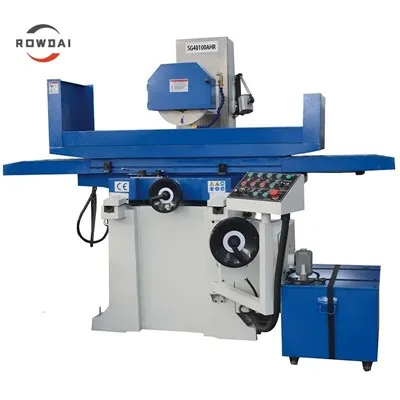
Adjusting the cutting parameters on a CNC vertical turning machine is crucial for achieving optimal performance, precision, and efficiency in machining operations. As a supplier of CNC vertical turning machines, I've seen firsthand how the right cutting parameters can make a world of difference in the final product. In this blog, I'll share some tips on how to adjust these parameters effectively.
Understanding the Basics of Cutting Parameters
Before we dive into the adjustment process, let's quickly go over the main cutting parameters that you'll need to consider:
- Cutting Speed (Vc): This is the speed at which the cutting edge of the tool moves relative to the workpiece. It's usually measured in meters per minute (m/min) or surface feet per minute (SFM).
- Feed Rate (f): The feed rate is the distance the tool advances into the workpiece per revolution of the spindle. It's typically measured in millimeters per revolution (mm/r) or inches per revolution (ipr).
- Depth of Cut (ap): This is the thickness of the material removed in a single pass of the tool. It's measured in millimeters (mm) or inches (in).
These parameters are interdependent, and changing one can affect the others. For example, increasing the cutting speed might require a decrease in the feed rate or depth of cut to maintain tool life and surface finish.
Factors Affecting Cutting Parameters
Several factors can influence the choice of cutting parameters, including:
- Workpiece Material: Different materials have different properties, such as hardness, toughness, and thermal conductivity. For example, cutting a hard material like stainless steel will require different parameters than cutting a softer material like aluminum.
- Tool Material and Geometry: The type of tool material (e.g., carbide, high-speed steel) and its geometry (e.g., rake angle, clearance angle) can affect the cutting performance. A sharp tool with the right geometry will cut more efficiently and produce a better surface finish.
- Machine Capabilities: The power, rigidity, and spindle speed range of your CNC vertical turning machine will also limit the cutting parameters you can use. Make sure to stay within the machine's specifications to avoid overloading it.
- Desired Surface Finish and Tolerance: If you need a high-quality surface finish or tight tolerances, you'll need to adjust the cutting parameters accordingly. Generally, a lower feed rate and depth of cut will result in a better surface finish.
Step-by-Step Guide to Adjusting Cutting Parameters
Now that we understand the basics, let's go through the process of adjusting the cutting parameters on a CNC vertical turning machine:


Step 1: Select the Right Tool
Choose a tool that is suitable for the workpiece material and the machining operation. Consider the tool material, geometry, and coating. For example, carbide tools are often used for high-speed machining of hard materials, while high-speed steel tools are more suitable for softer materials.
Step 2: Determine the Recommended Cutting Parameters
Refer to the tool manufacturer's recommendations or machining handbooks to get an initial set of cutting parameters. These recommendations are based on extensive testing and can serve as a starting point for your adjustments.
Step 3: Set the Cutting Speed
Calculate the cutting speed based on the workpiece diameter and the recommended cutting speed for the tool and material. You can use the following formula:
Vc = π × D × n / 1000
where Vc is the cutting speed in m/min, D is the workpiece diameter in mm, and n is the spindle speed in revolutions per minute (RPM).
For example, if you're machining a workpiece with a diameter of 100 mm and the recommended cutting speed is 100 m/min, the spindle speed would be:
n = Vc × 1000 / (π × D) = 100 × 1000 / (π × 100) ≈ 318 RPM
Step 4: Set the Feed Rate
The feed rate depends on the cutting speed, the tool geometry, and the desired surface finish. Start with a conservative feed rate and gradually increase it until you achieve the desired results. You can use the following formula to calculate the feed rate:
f = fr × n
where f is the feed rate in mm/r, fr is the feed rate per tooth in mm/tooth, and n is the spindle speed in RPM.
For example, if the recommended feed rate per tooth is 0.1 mm/tooth and the spindle speed is 318 RPM, the feed rate would be:
f = 0.1 × 318 = 31.8 mm/min
Step 5: Set the Depth of Cut
The depth of cut should be chosen based on the workpiece material, the tool strength, and the machine capabilities. Start with a small depth of cut and gradually increase it until you reach the maximum allowable value. A general rule of thumb is to keep the depth of cut less than 10% of the tool diameter.
Step 6: Monitor and Adjust
Once you've set the cutting parameters, start the machining operation and monitor the cutting process closely. Pay attention to the cutting forces, tool wear, surface finish, and chip formation. If you notice any issues, such as excessive tool wear or poor surface finish, adjust the cutting parameters accordingly.
Tips for Optimizing Cutting Parameters
- Use a Cutting Fluid: Cutting fluids can help reduce friction, cool the tool and workpiece, and improve chip evacuation. Choose a cutting fluid that is suitable for the workpiece material and the machining operation.
- Perform Tool Wear Monitoring: Regularly inspect the tool for wear and replace it when necessary. Tool wear can affect the cutting performance and surface finish, so it's important to keep the tools in good condition.
- Optimize the Machining Strategy: Consider using different machining strategies, such as roughing and finishing passes, to improve the efficiency and quality of the machining process. Roughing passes can remove most of the material quickly, while finishing passes can achieve the desired surface finish and tolerance.
Conclusion
Adjusting the cutting parameters on a CNC vertical turning machine is a critical skill that can significantly impact the performance and quality of your machining operations. By understanding the basics of cutting parameters, considering the factors that affect them, and following a systematic approach to adjustment, you can optimize the cutting process and achieve the best results.
If you're in the market for a Vertical Turning Lathe Machine, a Conventional Turning Machine, or a Heavy Duty CNC Lathe Machine, we're here to help. Our team of experts can provide you with the guidance and support you need to choose the right machine and optimize your cutting parameters. Contact us today to start a conversation about your machining needs.
References
- Machining Handbook, 31st Edition
- Tool Manufacturer's Catalogs