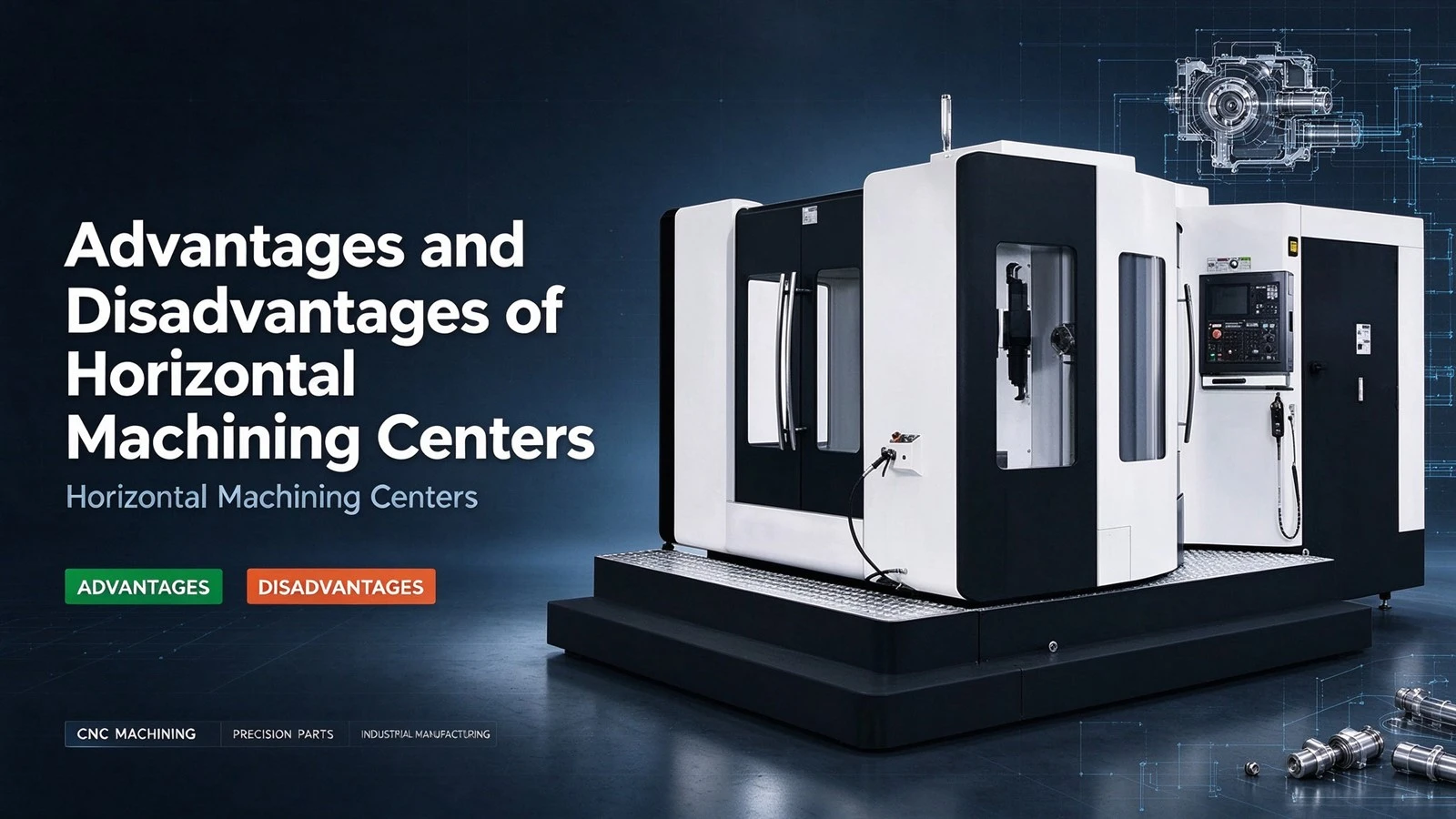
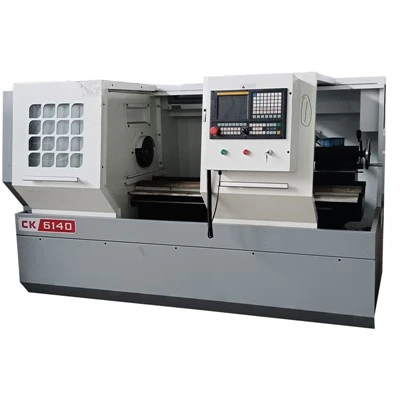
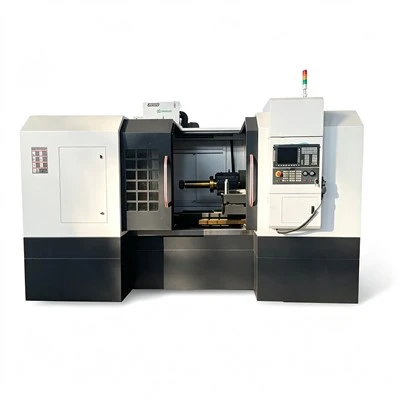
As indispensable equipment in modern manufacturing, horizontal machining centers play a pivotal role in the machining sector thanks to their unique structural and functional characteristics. While designed to enhance machining efficiency, precision, and flexibility, they also possess certain inherent drawbacks. The following is a detailed discussion of the advantages and disadvantages of horizontal machining centers.
Advantages of Horizontal Machining Centers
1. High Machining Efficiency
Horizontal machining centers feature a horizontal design that ensures workpiece stability during processing; the workpiece is less prone to displacement caused by gravity, thereby improving machining precision and efficiency. This design enables highly efficient cutting operations-particularly when handling complex curved surfaces and deep-hole machining-significantly reducing processing time. Furthermore, these centers are typically equipped with automatic tool changers that facilitate rapid tool swaps, further minimizing non-productive time and boosting overall efficiency.
2. Multi-face Machining Capability
Horizontal machining centers boast robust multi-face machining capabilities, allowing multiple sides of a workpiece to be processed in a single setup without the need for repeated clamping. This feature not only enhances precision but also yields substantial savings in time and labor costs. They are undoubtedly the ideal choice for complex components requiring multiple processing stages.
3. Suitability for Large Workpieces
Horizontal machining centers excel at handling large or heavy workpieces. Their design supports heavier loads and offers superior stability, ensuring smooth machine operation while maintaining high machining precision. Consequently, they are widely used in industries such as aerospace and automotive manufacturing, where the processing of large components is common.
4. Compact Structure and Efficient Space Utilization
Although the machines themselves are substantial in size, their design is generally compact; the operating interface faces the operator, facilitating easy workpiece loading/unloading and process monitoring. This design improves workflow efficiency and optimizes workshop space utilization, leading to a more rational shop floor layout.
5. Superior Chip Removal Capability
Compared to vertical machining centers, horizontal machining centers offer superior chip removal capabilities. This is particularly advantageous when machining complex structures such as mold cavities; horizontal machining centers can more effectively evacuate chips and coolant, preventing chip accumulation from damaging the worktable or cutting tools, thereby enhancing machining quality and extending tool life.
6. High vibration resistance
Although horizontal machining centers feature complex structures, this design grants them exceptional vibration resistance. Whether subjected to static or dynamic loads, they maintain stable machining conditions, minimizing the impact of vibration and deformation on machining accuracy. This characteristic gives them a significant advantage when machining high-precision parts.
Disadvantages of horizontal machining centers
1. High initial investment
The purchase cost of a horizontal machining center is high, which can place a financial burden on small and medium-sized enterprises with limited budgets. This substantial investment means a longer payback period, requiring companies to carefully weigh the decision to purchase such equipment.
2. Large footprint
While horizontal machining centers can save space during actual operation, the machines themselves are bulky and occupy a relatively large floor area. In workshops with limited space, installing one can impact the layout of other equipment and overall workshop operations.
3. Complex maintenance and operation
The mechanical structures and control systems of horizontal machining centers are intricate, requiring specialized technical personnel for operation and maintenance. This complexity can lead to higher maintenance costs and make troubleshooting more difficult. Furthermore, operating these machines demands a high level of technical expertise; operators must possess the necessary skills and experience to ensure proper equipment function and machining quality.
4. Inconvenience in setup and observation
Due to their complex structure, engineers may face challenges when setting up machining parameters, observing tool paths, or measuring workpiece dimensions. These inconveniences can introduce errors and uncertainties into the machining process, potentially compromising accuracy and efficiency.
5. Limited capacity for very large workpieces
Although horizontal machining centers are suitable for large workpieces, the limited distance between the spindle head and the worktable restricts their capacity to handle exceptionally large components. For exceptionally large workpieces, alternative machining methods or equipment may be required.
6. High energy consumption
Horizontal machining centers consume significant energy during operation, which can lead to higher operating costs. For enterprises engaged in long-term, large-scale production, energy consumption requires particular attention and management to control production costs and enhance economic efficiency.
In summary, horizontal machining centers hold a significant position in the manufacturing industry due to their high efficiency, multi-sided machining capabilities, and suitability for large workpieces. However, when deciding whether to utilize horizontal machining centers, enterprises must comprehensively evaluate the advantages and disadvantages alongside their specific production requirements and financial capabilities to make the most appropriate decision.