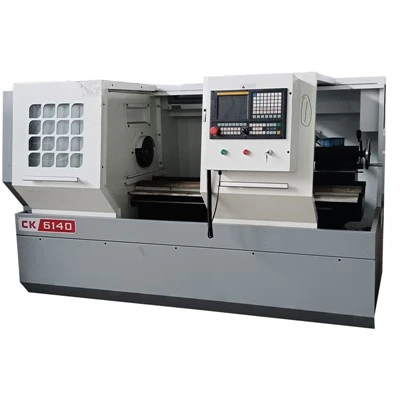
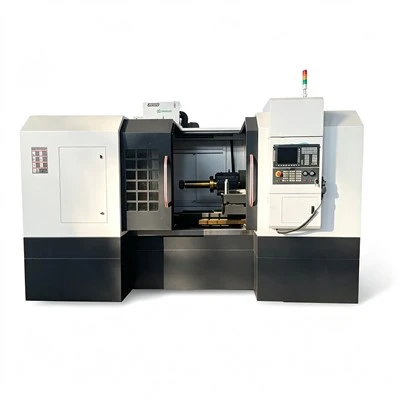
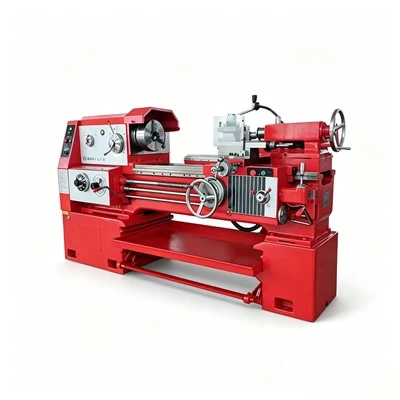
The slant-bed CNC lathe is a high-rigidity, high-precision machine tool featuring bed guideways arranged at an incline (typically 30°, 45°, or 60°). It is widely used for the efficient machining of small-to-medium-sized rotary parts in sectors such as automotive components, precision shafts, hydraulic parts, medical devices, and aerospace. Its structural design combines the stability of traditional flat-bed machines with the chip-removal convenience of vertical machines, making it a mainstream configuration for modern mid-to-high-end CNC turning equipment. These machines typically feature high-speed motorized spindles (exceeding 3,000 rpm), high-precision servo turrets (8–12 stations), automatic chip removal systems, and fully enclosed guards. They also support multi-channel control, C-axis functionality, live tooling, and Y-axis expansion, enabling composite machining tasks such as turning, milling, drilling, and tapping. Some models integrate tool setters, in-process measurement, and intelligent monitoring systems to meet the demands of flexible and intelligent manufacturing.
Common issues and solutions for CNC slant bed lathe:
1. Decline in machining accuracy
Causes:
Guideway wear, looseness in the drive system, tool wear, etc.
Solutions:
Regularly inspect and maintain guideways to ensure surfaces are smooth and free of wear.
Tighten the drive system to prevent accuracy loss caused by looseness.
Replace worn tools promptly to ensure cutting accuracy.
2. Movement axis jamming or sluggishness
Causes:
Insufficient lubrication, feed system malfunctions, etc.
Solutions:
Check the lubrication system to ensure the lubricant is sufficient and clean.
Clean and lubricate the movement axes to reduce friction and resistance.
Inspect and repair feed system faults, such as gear wear or loose drive belts.
3. Programming errors or operational mistakes
Causes:
Errors in program coding, operator inexperience, etc.
Solutions:
Carefully check the program code to ensure accuracy before machining.
Perform program simulation and verification to detect and correct potential errors in advance.
Strengthen operator training to improve operational skills and safety awareness.
4. Cooling system failure
Causes:
Insufficient coolant supply, cooling system blockage, etc.
Solutions:
Check the coolant supply to ensure it is sufficient and clean.
Clean the cooling system to remove blockages and ensure smooth coolant flow.
Repair or replace faulty components, such as coolant pumps or nozzles.
5. Electrical faults
Causes:
Power supply issues, loose cable connections, aging electrical components, etc.
Solutions:
Check the power supply to ensure stability and compliance with machine tool requirements.
Check cable connections to ensure they are secure and not loose.
Repair or replace faulty electrical components, such as relays or contactors.
6. Tool wear
Causes:
Prolonged use, harsh cutting conditions, etc.
Solutions:
Regularly inspect tool wear and replace worn tools promptly.
Select appropriate tool materials and coatings to extend tool service life.
Optimize cutting parameters to reduce tool wear and breakage.
7. Vibration issues
Causes:
Poor machine tool structural design, improper workpiece clamping, tool-related issues, etc.
Solutions:
Optimize the machine tool structure to increase rigidity and reduce vibration.
Ensure proper workpiece clamping to minimize vibration during machining.
Use appropriate cutting tools and regularly check for tool wear and proper installation.